Wanstead gardeners pruning guide for Valentines Park homes
If you live near Valentines Park and your garden is starting to look a little shaggy, you are not alone. Pruning can feel simple right up until you are standing there with secateurs in hand, wondering if that rose should be cut now, later, or not at all. This Wanstead gardeners pruning guide for Valentines Park homes is here to make the job clearer, safer, and a lot less guessy. Whether you are shaping hedges, tidying shrubs, or keeping trees healthy around a family garden, the right pruning approach saves time and usually gives you better growth in the long run.
In the Wanstead and Valentines Park area, gardens often juggle mature planting, privacy hedges, shade from established trees, and the usual London weather swings. That mix means pruning is not just cosmetic. Done well, it supports plant health, light levels, airflow, flowering, and the overall look of the space. Done badly, it can leave you with bare patches, stressed plants, or a hedge that looks patchy for months. Let's get into the practical side of it.
Table of Contents
- Why Wanstead gardeners pruning guide for Valentines Park homes Matters
- How Wanstead gardeners pruning guide for Valentines Park homes Works
- Key Benefits and Practical Advantages
- Who This Is For and When It Makes Sense
- Step-by-Step Guidance
- Expert Tips for Better Results
- Common Mistakes to Avoid
- Tools, Resources and Recommendations
- Law, Compliance, Standards, or Best Practice
- Options, Methods, or Comparison Table
- Case Study or Real-World Example
- Practical Checklist
- Conclusion
- Frequently Asked Questions
Why Wanstead gardeners pruning guide for Valentines Park homes Matters
Pruning is one of those garden jobs that looks straightforward from the patio chair, then becomes surprisingly nuanced once you start looking closely. For homes near Valentines Park, the stakes are a bit higher because many gardens have mixed planting: hedges for privacy, roses for colour, climbers on fences, and mature shrubs that have been there longer than the current paving. A good pruning routine keeps all of that in balance.
The main reason this matters is plant behaviour. Many shrubs, climbers, and small trees respond to cuts by pushing out fresh growth from just below the cut point. If you trim at the wrong time or remove too much, you can interrupt flowering, weaken the plant, or invite disease. In a park-adjacent setting, where conditions can be a touch more exposed than people expect, that stress shows up quickly.
There is also the everyday side of it. Overgrown plants block paths, steal light from windows, and make small Wanstead gardens feel cramped. If your back garden is already compact, you will notice the difference between a thoughtfully pruned border and a "we'll deal with it later" jungle. Truth be told, later usually means more work.
For many local homeowners, pruning is part of a wider care plan that includes regular garden maintenance and periodic hedge shaping. The aim is not to keep everything clipped into submission. It is to help plants look natural, healthy, and tidy without fighting their growth habit every month.
How Wanstead gardeners pruning guide for Valentines Park homes Works
The best pruning approach starts with identifying what kind of plant you are dealing with. A rose, a laurel hedge, an apple tree, and a clematis all follow different rules. That sounds obvious, but it is where many mistakes begin. Gardeners do not prune "plants" in general; they prune by species, by age, and by purpose.
In simple terms, pruning works in four stages:
- Inspect the plant for dead, damaged, diseased, crossing, or overcrowded stems.
- Decide whether the goal is shaping, flowering support, size control, or recovery from neglect.
- Cut in the right place, usually just above a healthy bud or side shoot.
- Aftercare the plant by clearing debris, checking moisture, and watching for stress over the next few weeks.
That sequence sounds neat on paper. In real gardens, the process is a bit messier. One minute you are taking out a dead stem, the next you spot ivy creeping through a fence panel or a hedge that has quietly gained another 30 centimetres since spring. It happens.
Seasonal timing matters too. In the UK, late winter and early spring are commonly used for many dormant woody plants, while summer pruning is often better for controlling exuberant growth or keeping hedges sharp. Flowering shrubs are the big exception: you need to know whether they bloom on old wood or new wood before you cut a single branch. If you want the hedge line handled neatly, the page on hedge trimming in Redbridge is a useful companion read.
Key Benefits and Practical Advantages
When pruning is done properly, you get more than a cleaner-looking garden. You get a healthier, easier space to manage. And honestly, that is what most homeowners want once the novelty of weekend gardening wears off.
- Better plant health: Removing dead or crowded growth improves airflow and helps reduce damp-related problems.
- Stronger flowering: Many shrubs and climbers produce better blooms when old, tired stems are removed at the right time.
- Improved shape: Regular pruning keeps hedges, borders, and ornamental shrubs in proportion with the property.
- Safer access: Clearer paths, driveways, and boundary lines reduce the chance of snagging, tripping, or blocked visibility.
- More light: Well-managed growth can open up darker corners and bring daylight back into the garden.
- Less long-term work: A light, regular approach is usually easier than one huge rescue job every couple of years.
There is also a visual benefit that people underestimate. A pruned garden feels calmer. The edges make sense. The planting reads clearly. Even a modest garden can look more expensive when the structure is clean and intentional. That is especially true if you are pairing pruning with other improvements like lawn care or a tidy patio refresh.
Who This Is For and When It Makes Sense
This guide is for homeowners, landlords, tenants with garden responsibility, and anyone looking after a front or rear garden near Valentines Park who wants the plants to look cared for rather than merely cut back. It is particularly helpful if your garden contains mixed planting and you are unsure which jobs you can safely do yourself.
It makes sense to prune when:
- shrubs are becoming leggy or woody at the base
- hedges are losing shape or starting to encroach on paths and fences
- fruiting or flowering plants have become crowded
- trees have dead or crossing branches
- climbers are swallowing gutters, fences, or neighbouring plants
- the garden feels dark, heavy, or awkward to move through
If you have recently inherited an overgrown plot, pruning can be part of a broader reset. In those cases, it is sensible to combine it with a bigger tidy-up plan, like the approach outlined in this guide to refreshing an overgrown garden. Sometimes you are not doing maintenance; you are doing rescue work. Not glamorous, but very satisfying.
If the plant is large, close to a structure, or clearly unstable, that is the moment to pause and bring in help. For trees or heavy woody growth, the safest route may be tree surgery support rather than a casual weekend cut with ladders and hope.
Step-by-Step Guidance
Here is a practical, no-nonsense way to approach pruning in a Wanstead garden. Keep it steady. Keep it selective. Do not rush because the light is fading and you want to be done by tea time.
1) Start with the plant's goal
Ask yourself what the plant is meant to do. Is it giving privacy? Producing flowers? Framing a path? Filling a bare corner? That answer decides how hard you should prune and when. A privacy hedge needs different handling from a decorative shrub that flowers once a year.
2) Look for the obvious problem wood
Remove dead, broken, diseased, or rubbing stems first. These are the easiest cuts to justify and the most useful for plant health. If a branch is crossing into the middle of the plant and scrubbing against another stem, take one out. You are opening the structure, not emptying it.
3) Shape gently rather than forcing the plant
It is tempting to flatten everything into a crisp cube. Sometimes that works for hedges, but many shrubs look better with a softer outline. Follow the plant's natural form where you can. You will get a result that ages more gracefully, and it usually needs less correction later.
4) Cut above a healthy bud or side shoot
That tiny detail matters. A cut too far above a bud leaves an ugly stub. A cut too close can damage the growth point. Aim for a clean, slight-angle cut just above a bud facing the direction you want new growth to go.
5) Step back often
This is the bit many people skip. Step back every few cuts and look at the whole plant. Gardens are visual spaces. What looks "fine" from two feet away can look lopsided from the patio. Walk around it. Squint a bit if you must. It helps.
6) Finish by clearing debris
Do not leave prunings piled at the base unless you are intentionally mulching suitable material. Diseased cuttings and dense clippings can trap moisture and encourage pests. A clean finish makes the garden feel calmer instantly.
A quick seasonal reminder
In wet or windy weather, make lighter cuts and avoid working on plants that are waterlogged or brittle. After a cold snap, wait until you can clearly see what is alive and what is not. The garden will not thank you for forcing the schedule.
Expert Tips for Better Results
Here are the little things that make pruning look professional rather than merely done.
- Use sharp tools. Ragged cuts heal poorly. Clean blades make a cleaner wound.
- Prune on a dry day where possible. It is easier to work, and freshly cut surfaces are less exposed to persistent moisture.
- Work from the inside out. Start with structural problems before shaping the outer line.
- Respect flowering cycles. Spring-flowering shrubs are often pruned after flowering, not before.
- Do lighter, regular trims. Frequent small adjustments beat one brutal chop every few years.
- Pair pruning with feeding or mulching where appropriate. A plant recovering from a trim often benefits from better soil conditions.
One practical habit I always recommend: keep a note of when each plant was pruned and how it responded. Nothing fancy. Just a notebook or a phone note. By the next season, you will remember less than you think. Gardening has a funny way of doing that.
If your garden has a mix of climbers, hedges, and shade-loving planting, it can help to think in layers. For example, a well-managed climber can soften a fence, while tidy hedge lines preserve privacy and lower planting can prevent the whole space from looking bare. The related guide on evergreen climbers for shaded corners is useful if you are trying to keep a dark boundary feeling alive.
And if your aim is a cleaner overall landscape, pruning works beautifully alongside weed control and ground cover planning. The articles on keeping your garden weed-free and ground cover stars for UK gardens fit neatly with that approach.
Common Mistakes to Avoid
Pruning mistakes are usually not dramatic in the moment. They show up later as weak regrowth, ugly gaps, poor flowering, or stressed plants. A few to watch for:
- Cutting at the wrong time of year for the species
- Taking off too much in one go, especially on mature shrubs
- Shearing everything into a solid block without checking what the plant actually needs
- Using blunt or dirty tools
- Ignoring deadwood inside the plant
- Pruning after severe frost when tissue is still vulnerable
- Leaving climbers unchecked until they have wrapped around gutters, trellis, or neighbouring plants
One especially common issue in local gardens is over-pruning boundary hedges because people want instant space. You get the space, yes, but then the hedge sulks. Sometimes for a whole season. A gentler correction is usually better. A hedge is not a piece of furniture, after all.
Another mistake is forgetting the wider garden picture. If you prune but never manage the rest of the site, the result can look oddly unfinished. A tidy fence line next to a tired patio or patchy lawn still feels messy. That is where broader services like patio cleaning or lawn mowing can lift the whole space.
Tools, Resources and Recommendations
You do not need a van full of kit to prune well, but the right tools make the work cleaner and less tiring.
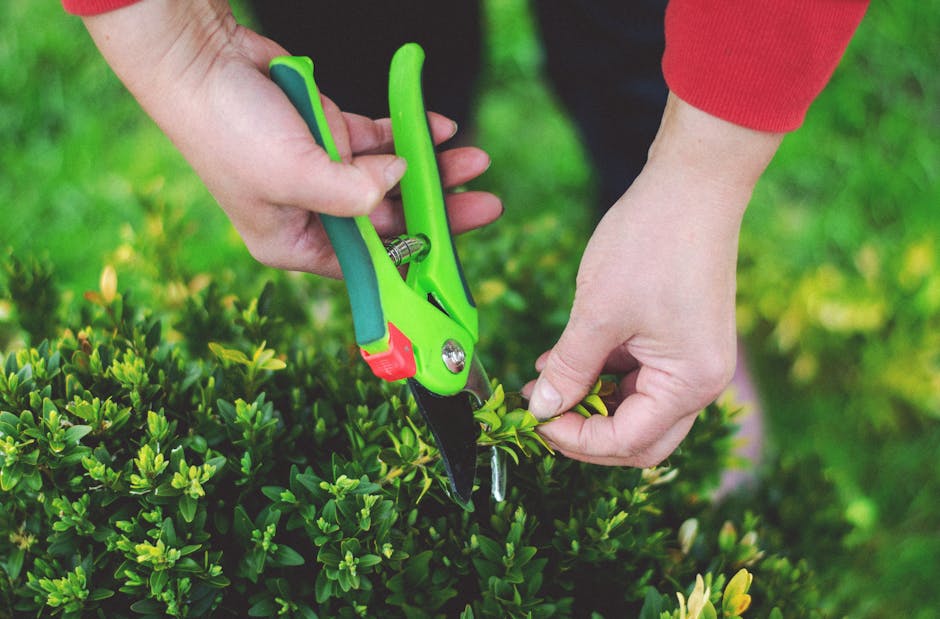
- Secateurs: Best for small stems, roses, and precise cuts.
- Loppers: Useful for thicker branches where secateurs would struggle.
- Pruning saw: Handy for woody stems and branches too large for hand tools.
- Hedge trimmer: Efficient for formal hedges, though it should not replace judgement.
- Gloves and eye protection: Especially helpful with thorny plants, ivy, or brittle growth.
- Sturdy garden bags or a barrow: Makes clearance much easier.
If you are building up your kit, it is worth reading this practical guide to gardening tools. It keeps things grounded in what actually gets used, not just what looks clever in a shed catalogue.
For recycling prunings, composting suitable soft material is usually the most useful option. Thick diseased stems, ivy, or heavily woody waste may need separate disposal depending on the condition and volume. The guide on turning organic refuse into soil full of life is a good companion if you want to close the loop in your own garden.
Where larger planting areas or shade are part of the picture, it can also help to think about planting structure beyond pruning. The piece on container gardening is useful if you are trying to create lighter, flexible planting in smaller spaces.
Law, Compliance, Standards, or Best Practice
For most domestic pruning jobs, the practical rules are mainly about safety, courtesy, and avoiding damage. Still, there are a few sensible best-practice points worth keeping in mind in Wanstead and the wider Redbridge area.
First, if branches overhang neighbouring property, boundary lines should be handled carefully and respectfully. Even where you may legally trim back growth to the boundary, it is wise to avoid cutting beyond what is yours and to keep good communication with neighbours. A calm conversation is usually cheaper than a tense one, and definitely more pleasant.
Second, work at height is where pruning becomes less of a garden task and more of a safety issue. Ladders, unstable ground, wet paving, and power tools are a poor combination. Reputable gardeners should work with appropriate precautions, and larger jobs may fall under safer professional practice through insurance and safety guidance and a clear health and safety policy.
Third, if the work involves tree branches, protected habitats, nesting birds, or unusual structural risks, it is best to proceed cautiously and seek informed help rather than making assumptions. In the UK, garden work often sits in that grey zone where common sense matters as much as tools.
Finally, if you are hiring help, transparency matters. It is sensible to understand pricing, payment, and any service terms before the work begins. The pages on pricing and quotes and terms and conditions can help set expectations clearly. No one likes awkward surprises after the hedge is done.
Options, Methods, or Comparison Table
Different pruning methods suit different goals. Here is a simple comparison to help you decide what approach fits your garden.
| Method | Best for | Strengths | Watch-outs |
|---|---|---|---|
| Light maintenance pruning | Most shrubs, hedges, and climbers | Keeps shape tidy, supports healthy regrowth, low stress | Needs regular attention |
| Formative pruning | Young plants and newly established hedges | Builds strong structure early | Requires patience and timing |
| Renovation pruning | Overgrown shrubs or neglected borders | Can restore shape and light | Riskier; some plants recover slowly |
| Selective reduction | Large shrubs or trees needing size control | Maintains a more natural look | Should be done carefully to avoid poor regrowth |
| Formal hedge clipping | Privacy hedges and boundary lines | Sharp finish, neat structure | Can look harsh if overdone |
If your garden is mainly about privacy, the planning stage matters just as much as the cut. The article on hedges for privacy without the wait is useful for thinking ahead about which plants will actually hold their shape and thickness over time.
For wildlife-friendly or softer gardens, a gentler, layered method often works better. If you are trying to create a calmer, more restful outdoor space, the ideas in this zen garden guide may give you a nice direction. Not every boundary needs to shout.
Case Study or Real-World Example
Here is a very typical scenario from a home near Valentines Park. The front garden had an old mixed hedge along the boundary, a rose bush by the path, and a pair of evergreen climbers that had started to drag themselves across the fence like they paid rent there. The owners wanted more light, better kerb appeal, and less weekly frustration.
The pruning plan started with removing dead stems and reducing the hedge a little at a time rather than cutting it back hard. The rose was thinned, not flattened, so flowers could come through from a healthy framework. The climbers were redirected and cut back just enough to stop them crowding the fence line. Nothing dramatic. Just careful, repeated decisions.
What changed?
- The path felt wider and safer.
- More daylight reached the front window.
- The hedge held a cleaner outline through the season.
- The rose flowered more evenly because the older congestion was gone.
The lovely bit was that the garden did not look stripped. It looked intentional. That is the trick with pruning. You are not trying to make the garden empty. You are trying to make it breathe.
In bigger, more neglected gardens, pruning is often paired with a fuller reset, sometimes alongside landscaping or even boundary improvements like fencing if the existing structure is tired. If the space feels overwhelming, a broader gardening service can bring the whole thing back into line without the owner having to spend every weekend catching up.
Practical Checklist
Use this quick checklist before you start pruning around your Valentines Park home.
- Identify the plant type and flowering habit.
- Check for dead, damaged, diseased, or crossing stems.
- Choose a dry, calm day if possible.
- Sharpen and clean your tools.
- Decide the goal: shape, size control, flowering, or recovery.
- Make small cuts first, then step back and review.
- Avoid removing more than the plant can comfortably recover from.
- Clear all prunings from paths and borders.
- Water and monitor stressed plants after cutting.
- Book professional help for large trees, risky access, or major renovation pruning.
Expert summary: the safest pruning plan is usually the simplest one: know the plant, cut with a purpose, and stop before the work starts to look aggressive. If in doubt, do a little less rather than a little too much.
Conclusion
Pruning near Valentines Park is not about chasing a perfect magazine finish. It is about helping real gardens stay healthy, bright, and manageable through the seasons. A thoughtful Wanstead gardeners pruning guide for Valentines Park homes should always come back to the same idea: cut with purpose, respect the plant's growth habit, and keep the long game in mind.
Once you get the timing and technique right, pruning stops feeling like a guessing game and starts feeling like one of the most satisfying jobs in the garden. The borders look calmer. The hedges behave themselves. The whole place just works better. And that quiet improvement? You notice it every day.
If you want help turning an overgrown, uneven, or awkward garden back into something easy to live with, talk to a local team that understands the area, the planting, and the practical realities of London gardens.
Get a free quote today and see how much you can save.
Frequently Asked Questions
What is the best time to prune garden shrubs in Wanstead?
It depends on the shrub. Many woody plants are pruned in late winter or early spring while dormant, but spring-flowering shrubs are often best cut after they finish blooming. The plant type matters more than the calendar.
Can I prune my hedge at any time of year?
Not really. Formal hedges often need several light trims during the growing season, while heavier pruning should usually be timed more carefully. Avoid major cutting during harsh weather or when birds may be nesting in active growth.
How much can I cut off without damaging the plant?
That varies a lot by species and age. A light trim is safe for many plants, but renovation work should be gradual. If you are unsure, take less rather than more. That old rule saves a lot of regret.
What plants should not be pruned in winter?
Some plants respond badly to winter pruning, especially those that flower on old wood or are sensitive to frost. It is best to identify the species first, rather than treating everything the same.
Do I need a professional for tree pruning?
For small, low-risk branches you may be able to manage basic work yourself, but larger trees, awkward access, or branches near structures are better handled professionally. Safety is the main issue.
Will pruning help my garden look bigger?
Yes, often it does. Opening up light, clearing narrow paths, and reducing heavy growth can make even a compact garden feel more spacious. It is one of the fastest visual improvements you can make.
What tools do I need for home pruning?
Most people need secateurs, loppers, gloves, and sometimes a pruning saw. A hedge trimmer is useful for formal hedges, but it should not replace selective hand pruning where detail matters.
Can pruning improve flowering?
Absolutely, if it is done at the right time. Removing old or crowded stems can direct energy into new growth and flowering shoots. Timing is everything, though.
What should I do with the branches after pruning?
Clear them away promptly. Some soft cuttings may be composted if healthy, but diseased material, thick woody waste, and invasive growth like ivy should be handled separately or disposed of carefully.
Is pruning the same as hedge trimming?
No. Hedge trimming is usually about keeping a hedge in shape, while pruning is more selective and may involve removing specific stems to improve health, structure, or flowering.
How do I know if my garden needs renovation pruning?
If plants are badly overgrown, woody at the base, flowering poorly, or blocking light and access, renovation pruning may be needed. It is a more serious job than routine maintenance, so timing and technique matter even more.
Where can I learn more about related garden care tasks?
You can explore linked guides on hedge trimming, garden maintenance, lawn care, and shade planting. These topics work together, and in a real garden they usually need to be planned together too.