Redbridge gardeners urgent storm damage callouts: what to expect
Storms can leave a garden looking like it has taken a proper battering. One minute everything is fine, the next you are staring at a broken fence panel, a leaning tree, scattered branches and a patio covered in debris. If you are searching for Redbridge gardeners urgent storm damage callouts what to expect, you probably need clear answers fast: who comes out, what they will do first, how safe it is, and what happens after the immediate mess is under control.
This guide walks you through the full process in plain English. You will get a practical view of emergency garden response, the kinds of damage that usually need urgent attention, the steps a gardener may take on arrival, and the sensible questions to ask before work begins. It is written to help you make a calm decision when the weather has already made things stressful enough.
Truth be told, storm damage is rarely just about appearance. A snapped branch can block access, a loose fence can become dangerous in the wind, and waterlogged soil can quickly turn a tidy garden into a slip risk. Knowing what to expect makes the whole situation easier to handle.
Why urgent storm damage callouts matter
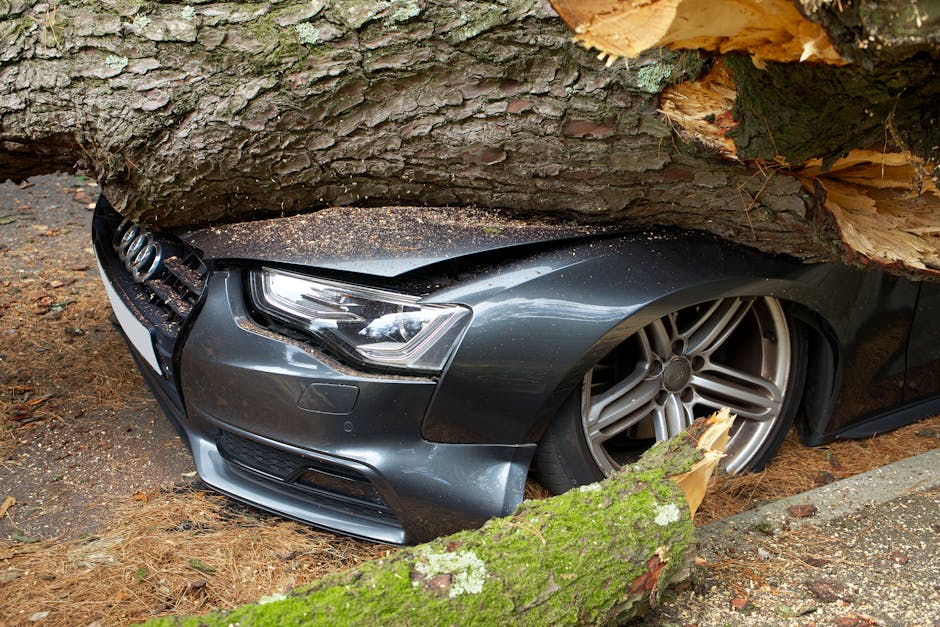
Storm damage is one of those things that looks manageable at first glance, until you stand in the garden and realise how much is going on at once. A fallen branch can hide sharp splinters, a bent fence can collapse fully with another gust, and damaged trees can keep shifting long after the rain has stopped. In Redbridge, where gardens often sit close to neighbouring properties, sheds, paths and shared boundaries, a small problem can become a bigger one very quickly.
An urgent callout is not only about clearing up the mess. It is about reducing immediate risk. That might mean making access safe, stabilising loose materials, removing broken debris, checking whether any trees are unsafe, and deciding what needs proper follow-up rather than a quick tidy. A good response is measured, not rushed. Fast, yes. But still careful.
There is another reason it matters: storm damage can create knock-on problems that are easy to miss. Water can collect where roots have lifted, fencing can lean onto planting beds, and heavy branches can crush shrubs or lawn edges. If you leave it too long, the cost and complexity usually increase. Nobody likes hearing that after a windy night, but it is true.
Expert summary: with urgent storm damage, the first job is not to make the garden pretty again. It is to make it safe, workable and stable enough for the next stage.
If the damage involves trees, overhanging limbs or structural garden features, the issue may sit between general garden clearance and specialist work. In those cases, services such as tree surgery, tree lopping and removal, or fencing repairs may become part of the solution, depending on what has actually happened.
How the callout process works
Every company handles urgent callouts a little differently, but the basic pattern is usually similar. The process often starts with a short phone call or message where you explain what has happened, how bad it looks, and whether anything is dangerous right now. If branches are hanging over a path, a fence is partially down, or a tree appears unstable, say so clearly. That helps the gardener decide how quickly they need to attend and what equipment to bring.
On arrival, the first stage is normally a visual assessment. Expect questions about what changed during the storm, whether there has been any movement since, and whether anyone has already tried to move debris. A careful gardener will not charge straight in with saws and loppers. They will look for unsafe positions, hidden tension in broken branches, and signs of root disturbance or snapped supports.
After that comes a practical plan. Sometimes the job is straightforward: clear branches, collect debris, dispose of broken material and secure the area. Other times the gardener may advise a phased approach. For example, a damaged fence might be made safe on day one, then properly repaired later once the weather settles and the ground dries out.
It is also normal for the team to explain limitations. An urgent callout does not always mean the entire garden will be restored in one visit. Storm work is often about triage. Sort the dangerous bits first, then deal with the rest. A sensible sequence, really.
If you want to understand how pricing and scope are usually handled, a pricing and quotes page is useful for setting expectations before you book. And if you are comparing providers, it helps to review whether they show clear insurance and safety information. In an emergency, that confidence matters.
Key benefits and practical advantages
The main benefit of a storm damage callout is speed, but there is more to it than that. A good urgent response can prevent a damaged garden from becoming a larger, more expensive job later on. That is especially useful where access is limited, neighbouring boundaries are tight, or there are features like decking, sheds, mature shrubs and lawns that can be further damaged by careless clean-up.
- Immediate risk reduction: loose branches, wobbling posts and unstable debris can be dealt with before someone trips or gets hurt.
- Cleaner decision-making: once the garden is assessed properly, you can separate urgent safety work from cosmetic restoration.
- Less secondary damage: early intervention can protect turf, beds, paving edges and structures from being trampled or crushed during a delayed tidy-up.
- Better neighbour relations: if debris is near a boundary, fast action helps avoid awkward conversations. Nobody wants storm damage drifting into next week.
- Practical peace of mind: there is a real mental lift when the site is safe again, even if the garden still needs more work afterwards.
There is also a quality-of-work advantage. Gardeners who deal with storm damage regularly tend to work in stages: assess, secure, clear, then advise. That approach is calmer and safer than the old "just cut everything back" instinct. In our experience, the best outcomes come from the teams who slow down for the first ten minutes. That sounds backwards, but it is usually the right move.
For broader garden recovery, a follow-up with garden maintenance or even garden clearance can help reset the space once the urgent issue has been handled.
Who this is for and when it makes sense
Urgent storm damage callouts are for anyone whose garden has been left unsafe, blocked or at risk after high winds, heavy rain or falling debris. That could be a homeowner, a landlord, a tenant with permission to arrange repairs, or a property manager dealing with a shared outdoor space. The service is especially relevant if the garden is used by children, pets, older residents or neighbours who need access through shared paths.
It makes sense to book urgent help when one or more of these are true:
- a tree, limb or large shrub has fallen or is visibly hanging dangerously;
- fencing has collapsed or is close to collapsing;
- debris is blocking a gate, driveway, side passage or access route;
- the garden contains sharp, unstable or waterlogged hazards;
- storm damage is affecting a structure such as a deck, patio edge or retaining section;
- you are unsure whether the damage is safe to handle alone.
Not every storm issue needs emergency attendance right away. A few scattered twigs and some bent stems are annoying, yes, but not necessarily urgent. On the other hand, if you are looking at a tree that has shifted in the soil, or a fence panel that could fall with the next gust, then waiting is not the clever option. Let's face it, a broken garden can be inconvenient. A dangerous one is another matter.
For some properties, storm recovery may also involve specialist work around hard landscaping. A lifted patio edge, damaged slab run or loose surface near the house might need patio cleaning as part of the clean-up, followed by more considered repair planning.
Step-by-step guidance
If you have never arranged an urgent garden callout before, this is the part that helps most. Here is the usual flow from first contact to final tidy-up.
- Describe the damage clearly. Mention what fell, what is moving, whether anything is blocking access, and if anyone has already been kept away from the area.
- Share a few photos if possible. This is not always required, but it can help the gardener gauge urgency and bring the right gear.
- Confirm immediate hazards. Say whether power lines, slippery surfaces, broken glass, or roof-edge damage are involved. If there is a serious hazard, stop and keep clear.
- Expect a safety-first arrival. The first action should be assessment, not cutting. A good gardener will establish where it is safe to stand and work.
- Ask for a simple plan. What will be removed now? What will be left for later? What needs a specialist or follow-up visit?
- Check what disposal is included. Storm debris can be bulky. Clarify whether waste removal is part of the job or a separate service.
- Arrange the next stage if needed. Once the area is safe, you may need repairs, reshaping, pruning or a broader tidy-up.
That is the clean version, anyway. In real life, there may be muddy boots, a damp hedge, and a rather apologetic homeowner standing by with a torch at half past seven on a dark evening. It happens. The important thing is that the process stays calm and methodical.
If the damage includes dense overgrowth or storm-twisted hedges, it can be sensible to follow up with hedge trimming once the immediate hazard has been cleared. If the storm has exposed bigger garden design issues, a longer-term look at landscaping or landscape gardening may be worthwhile too.
Expert tips for better results
A few small decisions can make a big difference during a storm callout. First, do not start cutting major branches yourself unless you are absolutely sure the area is safe. Broken wood can spring back, split unpredictably or shift under tension. That is where people get caught out. A ladder on wet ground? Honestly, not a great idea.
Second, keep children and pets away from the affected area. It sounds obvious, but when the garden is partly familiar and partly chaotic, it is easy to underestimate the danger. A tucked-away branch or loose wire can still bite you later.
Third, if the garden is very wet, expect the work to be slower. A damp lawn, waterlogged bed or slippery paving edge changes how equipment is moved and where people can safely stand. Slower is fine. Safer is better.
Fourth, ask whether the gardener will separate emergency make-safe work from full restoration. That distinction helps avoid confusion. You might want the whole garden put right in one go, but the most responsible teams will deal with the hazard first and the rest in stages.
A few good questions to ask on the day:
- What is the immediate risk here?
- What should stay untouched until it has been assessed further?
- Will this need follow-up pruning, repair or disposal?
- Do you recommend a service for the wider garden once the storm damage is cleared?
Small thing, but worth saying: keep a note of what happened and when. A quick phone photo set and a few lines in your notes app can help if you need to describe the issue to a landlord, neighbour or insurer later. Nothing fancy. Just enough to remember the sequence.
Common mistakes to avoid
After bad weather, people often rush for the fastest-looking fix. Fair enough. Nobody wants to stare at a messy garden for days. But a rushed response can make the damage worse.
- Cutting unstable branches without checking tension: this is one of the quickest ways to create a more serious problem.
- Assuming all damage is visible: roots, posts and fence lines can shift below the surface even if the top of the garden looks manageable.
- Waiting too long because it "doesn't look that bad": storm damage often looks better from the kitchen window than it does at ground level.
- Ignoring boundary issues: if your garden debris affects a shared fence or neighbouring space, the situation can become more complicated than expected.
- Booking only for the cheap tidy-up: if safety is involved, the cheapest option is not always the best value.
- Forgetting waste handling: a pile of soaked branches is heavier and bulkier than it looks. You do not want it lingering by the side gate for a week.
Another common mistake is expecting one visit to solve everything. Sometimes it will. Often it will not. A good contractor will tell you honestly if the first visit is only about stabilising the site. That is not a failure; it is just how storm work goes.
Tools, resources and recommendations
You do not need a van full of equipment to understand what a proper storm callout involves, but it helps to know the sort of kit and resources that are commonly used. This makes the process feel less mysterious, and maybe a bit less stressful.
- Hand tools: pruning saws, secateurs, loppers and shears for manageable debris and broken growth.
- Cutting and clearing equipment: used where larger limbs, tangled material or bulky waste needs careful handling.
- Protective gear: gloves, sturdy footwear and other basic safety equipment for working near sharp or unstable material.
- Waste bags or load space: important for removing storm debris efficiently instead of leaving it stacked by the path.
- Site planning notes: simple assessments, photos and a short action plan help keep urgent work organised.
For many households, the best practical resource is a clear service provider with visible information about safety, payment and expectations. A quick look at health and safety policy details can reassure you that the team takes the risk side seriously. And when the work is done, it can help to look at longer-term upkeep with lawn care or lawn mowing if the storm has left your grass flattened, torn or muddy.
If the problem turned into a broader reset, especially after multiple days of heavy weather, a mix of gardening services and targeted cleanup may be the most efficient route. Not glamorous, but practical. Very practical.
Law, compliance, standards and best practice
Storm damage work sits in a space where common sense, safety and property responsibility matter more than dramatic promises. There are a few sensible standards and practices to keep in mind, even if the exact details vary by property and situation.
First, if a tree looks unsafe or is affecting public access, it is best treated carefully and, where needed, handled by someone competent in tree-related work. That is one reason tree surgery is often the right follow-up when the issue goes beyond simple branch clearance. Larger trees, unstable trunks and root movement are not the place for guesswork.
Second, reputable providers should be able to explain how they manage safety on site, what insurance covers, and whether they work in a way that reduces risk to people and property. This is standard good practice, not a luxury. If that information is hard to find, pause and ask more questions.
Third, waste should be handled responsibly. Storm debris may include mixed green waste, damaged timber and other garden material. Where possible, it should be sorted and disposed of in line with normal garden waste practice. If sustainability matters to you, it is reasonable to ask how the waste is managed and whether any materials can be recycled or reused. A provider's recycling and sustainability approach can tell you a lot about how they operate.
Finally, check the basic booking terms before work begins. Clear payment expectations, quote details and service boundaries reduce arguments later. Not exciting reading, granted, but useful reading. If you want to understand how a provider sets out these basics, the pages on payment and security and terms and conditions are the sort of place to look.
Options and comparison table
Not every storm problem needs the same kind of help. Here is a simple comparison to show how urgent callouts usually differ from other options.
| Option | Best for | What it usually includes | When it is the right choice |
|---|---|---|---|
| Urgent storm damage callout | Unsafe, blocked or unstable garden damage | Assessment, make-safe work, debris clearance, basic stabilising | When there is immediate risk or access is obstructed |
| General garden clearance | Wider post-storm or seasonal tidying | Removal of garden waste, branches, broken material and clutter | When the site is safe but messy and needs a full reset |
| Tree surgery | Damaged, diseased or hazardous trees | Specialist pruning, reduction, removal or structural assessment | When the issue is in the tree itself, not just surface debris |
| Fencing repair or replacement | Windblown or weakened boundary panels | Secure repair, replacement sections, stabilising posts | When the boundary has failed or is about to fail |
| Routine maintenance | Preventing future storm problems | Cutting back overgrowth, checking weak points, regular care | When the garden is back to normal and you want to reduce repeat issues |
If you are unsure which route to choose, start with the urgent callout. That gives you a safe assessment and helps separate emergency work from planned repairs. Then the rest becomes much easier to think through. A bit of order after chaos, which is welcome.
Case study or real-world example
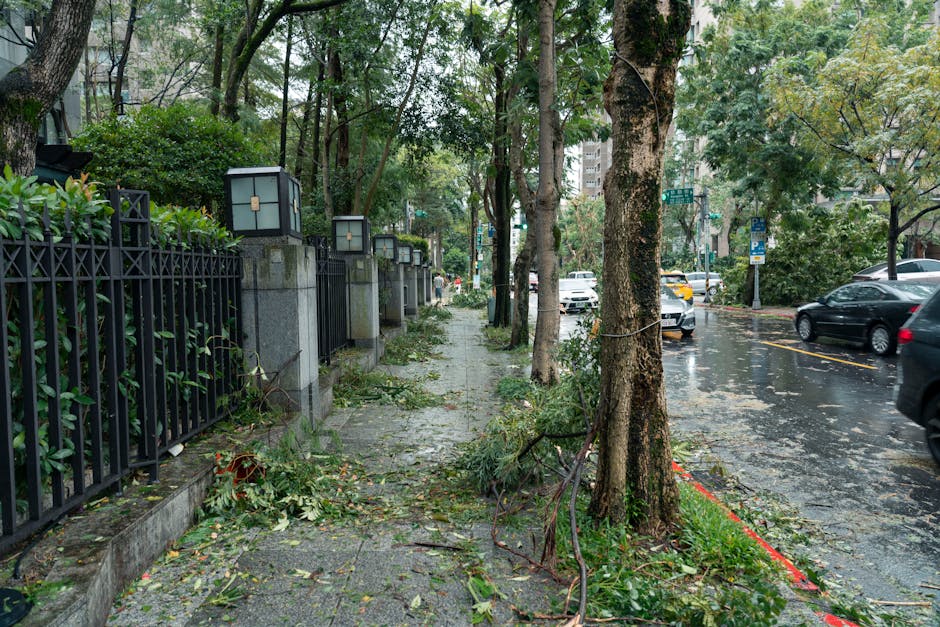
Imagine a Redbridge homeowner waking up after a blustery night to find a heavy branch across the side path, part of a fence panel hanging loose and a pile of wet leaves pressed into the lawn. The garden is still usable from the house, but the side access is blocked and the fence looks ready to give way if the wind picks up again.
They call for an urgent visit and explain the situation clearly. The gardener arrives, checks the branch tension, looks at the fence posts, and confirms that the path should stay closed until the unstable material is removed. Instead of cutting everything at once, the first task is to make the route safe and stop any further movement. Then the debris is cleared in sections, the broken panel is secured, and the homeowner is advised that one fence post may need a proper repair appointment rather than a quick fix.
What did that achieve? Safety first. Better planning. Less stress. Also, no one had to drag a wet branch through the house, which is a small mercy on a damp Tuesday morning. The garden still needed attention afterwards, but the urgent pressure was gone. That is the real value of a good storm callout.
In many cases, the follow-up might include fencing work, selective planting recovery, and maybe a few hours of general clean-up through garden maintenance.
Practical checklist
Use this checklist before, during and after an urgent storm visit. It keeps things simple when the weather has already made everything feel a bit wobbly.
- Keep people and pets away from the damaged area.
- Do not stand under leaning branches or unstable structures.
- Take a few photos from a safe distance.
- Note whether access routes are blocked.
- Tell the gardener about any previous tree, fence or surface issues.
- Ask what will be made safe on the first visit.
- Check whether waste removal is included.
- Clarify if follow-up work will be needed.
- Keep any relevant notes for your records.
- Arrange wider clearance or repair work once the urgent risk is dealt with.
If the damage is widespread and the garden is left cluttered after the storm, a blend of garden clearance and specialist support may be the quickest route back to normal. And if the storm has exposed a bigger layout problem, that is often the moment to think about future-proofing with landscaping.
Conclusion
When a storm hits your garden, the first priority is not beauty. It is safety, access and control. That is what you should expect from Redbridge gardeners urgent storm damage callouts: a calm assessment, practical make-safe work, sensible advice on what comes next, and a tidy-up plan that fits the actual damage rather than a rushed guess.
The best providers do not just clear branches and disappear. They help you understand what is urgent, what can wait, and what may need specialist follow-up. That is the kind of support that turns a messy morning into a manageable plan. And after a night of wind, rain and scattered debris, manageable is a very good word indeed.
If you are dealing with storm damage now, choose safety first, ask clear questions, and get the garden stabilised before the next gust makes things harder. You will feel the difference straight away.
Get a free quote today and see how much you can save.
Frequently Asked Questions
What should I expect from an urgent storm damage callout?
You should expect a safety-first visit, an assessment of the damage, immediate make-safe work where needed, and clear advice on whether more repairs or clearance are required afterwards.
How fast can a gardener attend after storm damage?
Response times vary depending on demand, location and the severity of the damage. The more dangerous the issue sounds, the more likely it is to be prioritised.
Is storm damage callout different from regular garden maintenance?
Yes. Maintenance is planned and routine, while a storm callout focuses on urgent hazards, access problems and sudden damage. The priorities are different.
Can a gardener remove a fallen tree branch safely?
Often, yes, if the branch is accessible and stable enough to work on. If the tree or limb is under tension, leaning badly or affecting structures, specialist tree work may be needed.
What if my fence has been damaged by wind?
A damaged fence is usually assessed for safety first. It may be secured temporarily, then repaired or replaced once the site is stable and the extent of the damage is clear.
Do I need to be at home for the callout?
Usually yes, or at least someone with permission to approve the work should be available. That helps the gardener explain the damage and agree the next steps.
Will the gardener clear away all the debris?
Often they will, but you should confirm this in advance. Some urgent visits include only make-safe work, while others include full debris removal as part of the job.
What should I do before the gardener arrives?
Stay clear of the hazardous area, keep children and pets away, take photos from a safe distance if you can, and avoid moving unstable branches yourself.
Is it worth booking a callout if the damage looks minor?
If you are unsure, yes, because minor-looking damage can hide unstable branches, shifted posts or hidden trip hazards. A quick assessment can save trouble later.
Will storm damage work be expensive?
It depends on the size of the job, access, waste volume and whether specialist work is needed. A clear quote is the best way to understand the likely cost before work starts.
Can storm damage affect patios, decking or other garden structures?
Yes. Heavy debris and standing water can damage surfaces, loosen fixings or shift materials. If you have decking or hard landscaping issues, a proper inspection matters.
Should I choose general clearance or tree surgery after a storm?
If the issue is mainly branches, leaves and broken garden material, clearance may be enough. If the tree itself is damaged or unstable, tree surgery is more appropriate.
What if the storm damage is on a boundary with my neighbour?
Handle it carefully and communicate early. Shared boundaries can become awkward fast, so it helps to document the damage and agree on a sensible next step.
How can I reduce storm damage in the future?
Regular pruning, hedge trimming, fence checks and sensible garden maintenance all help. A garden that is looked after tends to cope better when the weather turns rough.
And if you are standing by the window this evening wondering whether that one wobbling fence panel can wait, maybe take the safer route. Gardens can be repaired. Peace of mind is worth acting on.